Jamie Munks
The State Journal-Register
The Springfield City Council is expected to take action this summer on restructuring electric rates and whether to strongly push forward on Hunter Lake, the long-debated proposal for a backup water source. Mayor Jim Langfelder said he hopes to have an electric fund rate restructuring plan to present to the city council sometime in July and a resolution supporting Hunter Lake within the next month or so too, he said.
City Water, Light and Power leaders are creating an electric rate restructuring formula that will raise the base rate and lower the usage rate in an effort to stabilize the city-owned utility’s cash flow throughout the year, lessening the peaks it sees when usage is high and the valleys when it’s low.
With both plans still in the formative process, the level of support from the city’s aldermen varies. The goal is to make the rate restructuring as neutral as possible for customers, but it’s possible, depending on how much power they use, that customers could see their bills go up or down with a change, Langfelder said.
Following a cool summer last year, city leaders for months grappled with a multimillion dollar revenue gap the utility needed to make up in order to meet its required debt-coverage ratio and avoid its second technical default in four years. The financial picture continued to fluctuate, and in March it appeared the utility would meet its debt service obligations, only to end up needing a bailout from the city’s corporate fund. The rate restructuring would aim to cut back on such unpredictability.
The timing of restructuring CWLP rates is key because Langfelder wants to be able to refinance electric fund bonds in August, while interest rates remain favorable. Restructuring rates beforehand will help, demonstrating that city and utility leaders “have taken steps to correct the financial instability of CWLP,” Langfelder said.
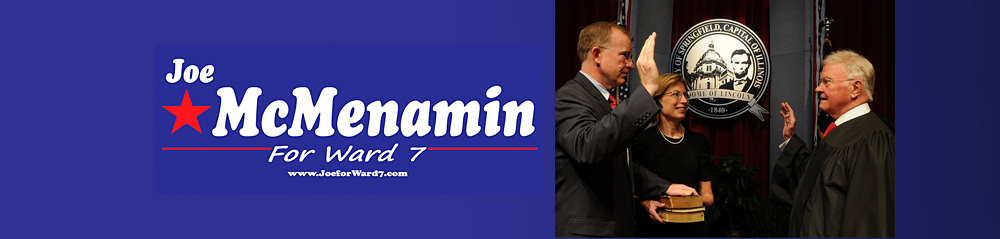
Ward 7 Ald. Joe McMenamin agrees that rate restructuring would help eliminate how variable the utility’s electric fund revenue is from month to month, depending on the weather and usage. “It’s important to move forward with that to stabilize the swings in revenue,” McMenamin said. He said he is also in favor of broadening the utility’s tax base by creating a municipal utility tax that would include Ameren customers.
Langfelder also expects to have some sort of resolution in the coming weeks for aldermen to consider on a second lake as a backup water source for the city, which he hopes they’ll approve. Largely, aldermen appear to agree that some kind of additional supply is necessary, but some remain skeptical about the cost.
Hunter Lake is expected to cost another $108 million on top of the more than $25 million the city has already spent on it. The city already owns much of the land needed to construct the lake, and the $108 million price tag is lower than the alternatives and would provide the city with more water, officials have said.
Hunter Lake lacks approval from the Army Corps of Engineers, which city and utility leaders have attributed to mixed signals on the project. The project has been bandied about at city hall for decades, and Langfelder hopes to this council will send a message of more solid support.
McMenamin, meanwhile, continues to be cautious on the Hunter Lake issue, and he said he wants to see the electric division on stable footing “before we incur massive new debt” on the water side.
“I think it’s premature launching lake two until calendar year 2016 and we see how the new budget goes,” McMenamin said. Rising water rates are also a cause for concern, McMenamin said.
When outgoing CWLP chief utility engineer Eric Hobbie made a presentation on Hunter Lake last month, he said it could result in increases of as much as 40 percent to 50 percent.
“We also have to be real cautious about the impact on the ratepayers. We’ve increased so many portions of the utility bill already,” McMenamin said. “There’s so many of our Springfield residents that are on a real tight budget.”
***
 Joe McMenamin for Ward 7